The Informer: Henry goes to electric chair for Valentine’s Day murder
Published 8:50 am Saturday, February 14, 2026
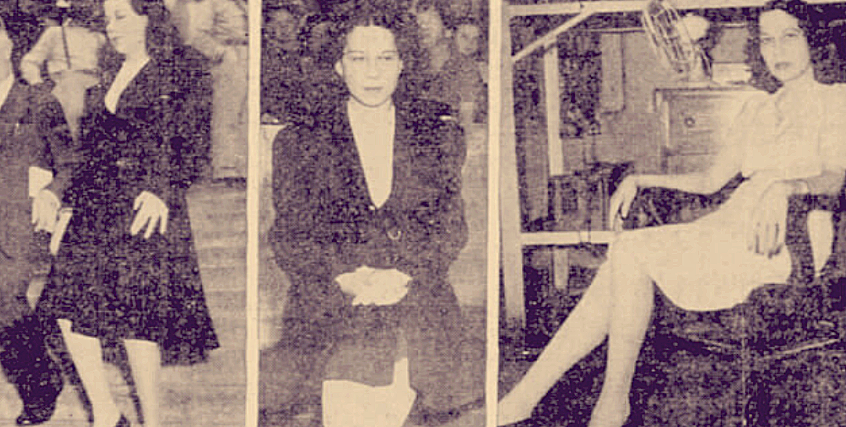
Annie Beatrice — better known in Lake Charles as Toni Jo Henry — was “silent but smiling to the very end” as 20,000 volts of current was sent flowing through her body on Nov. 28, 1942, nearly three years after she killed a Houston salesman.
“She died in the dim corridor of the parish jail house where the state’s portable electric chair had been set up,” reads the front page of that day’s Lake Charles American Press. “The legal number of witnesses and officers stood a few feet away as her body trembled slightly when the current was turned on.”
The newspaper reported that nearly 300 people waited outside, hoping to get a glimpse of the historic event.
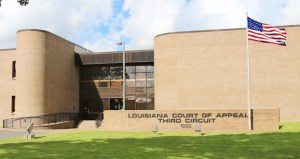
“Peering over the wall and standing across the street on the courthouse steps, they managed to see the sheet-draped body being carried to the waiting hearse and whisked away,” the article reads.
Henry is the only woman ever to die in the electric chair in Louisiana — and at the time was just second to be executed in the state.
The Rev. Wayne Richard, a local Catholic parish priest who befriended and baptized Henry while she was incarcerated, escorted her to the electric chair and provided spiritual counsel during the last few moments of her life.
“Goodbye, Father,” she told him. “You’ll be here, won’t you?”
“Yes, I’ll be right here,” Richard answered.
“A few seconds later, she looked at him again and smiled. Father Richard smiled back and said, ‘Keep smiling,’ ” according to the newspaper.
Richard would subsequently officiate her burial.
When asked by Deputy Sheriff Henry A. Reid Jr. if she had any final words to share before her death, she declined, while continuing to look at Richard and smile.
“Her face was somewhat thinner than nearly three years ago when she was first arrested,” the newspaper reads. “Her eyes were somewhat sunken from a sleepless night. Her lips were painted and her eyebrows distinct. At 12:11 a big leather mask covering all her face save her nose was fastened to her head. The executioner stepped quickly aside and pushed the switch that sent the current surging through her body.”
Early in the evening of Feb. 14, 1940, Joseph P. Galloway, 43, was driving from Houston to Jennings when he encountered hitchhikers Henry and Horace Finnon Burks in Orange, Texas. A salesman for a mail-order firm, he was en route to deliver a car to a customer.
When they reached Lake Charles, the pair pulled a gun on Galloway and ordered him to drive to a barren rice field. He was stripped of his clothing and then fatally shot. His body was discovered four days later — and not by accident.
“Toni Jo herself told officers where it was,” according to the newspaper. “She aided them in finding the body after she had told her aunt in Shreveport what had happened and she had been arrested by her uncle who was a peace officer.”
Henry told officers she and Burks had taken Calloway’s car so they could rob a bank and get money to aid in the release of her husband from the Texas state penitentiary. Both Henry and Burks accused each other of firing the fatal shot that ended Calloway’s life.
Burks was executed by electric chair on March 23, 1943.